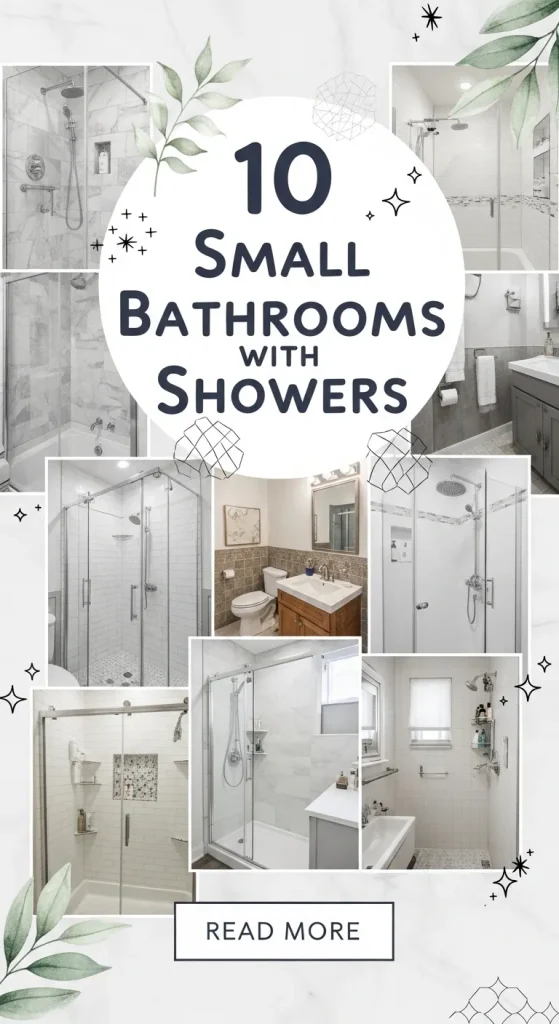
10 Bathroom Ideas for Small Bathrooms with Showers

Designing a small bathroom that includes a shower requires thinking beyond basic functionality. Limited square footage means every inch matters, and the right choices in layout, materials, lighting, and storage can transform even the tiniest bathroom into a space that feels polished, practical, and visually expansive. Small bathrooms can be just as sophisticated as large ones when designed with intention, and a well-designed shower area can dramatically upgrade the overall feel of the room. This guide presents ten deeply detailed ideas for designing small bathrooms with showers, offering a complete understanding of how to maximize space, enhance comfort, and add style without overwhelming the room.

1. Install a Frameless Glass Shower Enclosure

One of the most effective upgrades for a small bathroom with a shower is a frameless glass enclosure. Solid shower curtains and bulky framed doors visually break the room into segments, making it feel tight. A frameless glass enclosure, on the other hand, maintains an uninterrupted line of sight, which opens the space and encourages natural light to flow freely.

Frameless glass can be custom cut to fit tight corners, narrow spaces, or irregular layouts. A clear glass door aligns well with both modern and traditional bathrooms because its transparency merges with any environment. The lack of visual heaviness is the main advantage. It creates the illusion of more space even when square footage remains unchanged.

Maintenance is straightforward. Glass squeegees help prevent water spots and eliminate buildup that can make small spaces appear neglected. Minimal metal hardware prevents cluttered visual lines. Pair this enclosure with floor-to-ceiling tiles to emphasize height, helping the room look taller. Even if your bathroom is only a few feet wide, frameless glass ensures maximum visibility and flow.


2. Use Light Colors and Reflective Surfaces to Expand the Room

Light colors are a classic solution for making small spaces feel larger. Whites, soft grays, beiges, and pale taupes are timeless choices. For small bathrooms with showers, these hues help soften shadows and bounce available light throughout the entire room.

Reflective surfaces are equally important. Glossy subway tiles, polished porcelain floors, mirrored cabinets, and high-gloss paint work collectively to multiply light. When a room is illuminated from several angles, the boundaries become less defined, enhancing the feeling of spaciousness.

For a cohesive design, keep the shower area and the rest of the bathroom in the same color palette. A continuous color flow, especially when tiles wrap around the room, prevents visual interruption. If you prefer contrast, keep it minimal, such as a slightly darker grout or a subtle textured tile strip.

A large mirror above the sink can further double the light. For the bold, consider a mirrored wall opposite the shower. Although unconventional, it provides immediate visual depth, a technique often used in high-end hotels. Pair these choices with warm, soft lighting to avoid a sterile feel while keeping the room bright.


3. Choose Vertical Storage Solutions to Keep the Floor Clear

In a small bathroom, floor space is premium real estate. Overcrowding it with storage reduces flow and makes the shower access feel cramped. Vertical storage, from tall narrow cabinets to floating shelves hung above eye level, solves the problem by utilizing otherwise overlooked wall space.

Place a slim storage tower beside the vanity or in a corner near the shower. These vertical units provide space for towels, toiletries, and cleaning supplies without intruding into walkways. Another effective solution is to install recessed shelving between wall studs. These built-in niches maintain sleekness and add depth to the wall.

Above-toilet shelving is widely used in compact bathrooms. Opt for closed cabinets rather than open shelves if you prefer a clean, uncluttered aesthetic. Floating shelves above the sink can hold everyday items like skincare products or neatly arranged jars.

Inside the shower itself, recessed niches reduce the need for caddies or corner organizers that clutter the floor and create visual noise. A vertical niche that spans from mid-wall to near the ceiling is particularly useful for storing taller bottles. These details keep surfaces streamlined and contribute significantly to a spacious, orderly environment.


4. Replace Traditional Swing Doors with Pocket or Sliding Doors

A traditional swing door requires clearance, which small bathrooms often cannot spare. Replacing it with a pocket door or a sleek sliding barn door immediately frees valuable space, making both the entry and the shower area feel more open.

Pocket doors slide into the wall cavity, meaning they take up no indoor space. While installation is more involved, the long-term benefits are considerable. The space saved allows you to include additional storage, a larger vanity, or a more comfortable shower layout.

Sliding doors installed on exterior hardware are easier to install and ideal for small homes or apartments. They glide along the wall and meet modern interior trends well, especially when paired with minimalist hardware.

Inside the bathroom, consider converting the shower door into a sliding system as well. This eliminates the need for swing-door clearance and keeps the shower experience smooth and accessible. Sliding shower doors with clear glass help maintain an airy, seamless look.


5. Use Large Format Tiles to Minimize Visual Breaks

Many people assume small tiles are ideal for small bathrooms, but the opposite is true. Large format tiles reduce grout lines, decreasing visual fragmentation and creating the illusion of a larger, smoother surface. Whether used on the floor, shower walls, or all around the bathroom, they simplify the overall appearance.

Floor tiles measuring 24×24 inches create a luxurious spa-like feel. When used in the shower, they help unify the space, making the shower look like a natural extension of the room rather than a separate area. Pairing large tiles with matching grout colors blends the joints seamlessly.

Rectangular tiles installed vertically elevate the walls and draw the eye upward, another useful trick for enlarging small spaces. Stone-look porcelain tiles add texture without overwhelming the design. Large tiles also have practical benefits, as they are easier to clean and maintain.

To add interest, consider using a single contrasting tile as an accent strip in the shower niche or behind the vanity. This gentle touch of variation prevents monotony without disrupting the spacious feel created by large tiles.


6. Install a Corner Shower to Maximize Floor Space

When every inch counts, a corner shower can be the perfect solution. These showers utilize areas that are often underused and leave more central floor space free. Compact, triangular, or curved enclosures fit seamlessly into tight layouts.

Corner showers work especially well in bathrooms with limited width but more depth. Their footprint is naturally smaller, making room for a larger vanity, extra storage, or simply a more open walkway. They can be enclosed with clear tempered glass to keep the space airy.

Curved corner showers are particularly space-saving because the rounded door swing requires less room. If you want an even more minimalistic approach, consider a corner shower with a sliding door instead of a hinged one.

The tiling in corner showers can be designed to visually elongate the walls. Vertical tiles, light colors, and simple grout help enhance depth. Built-in corner niches offer storage without encroaching on standing room. With thoughtful planning, a corner shower transforms a cramped bathroom into a highly functional environment.


7. Add a Floating Vanity for Airy, Modern Appeal

A floating vanity can significantly open up a small bathroom by exposing more floor area. This visual break between the sink and the floor creates a sense of airiness and contributes to the perception of a larger room. Floating vanities come in various sizes, making them suitable for even extremely tight spaces.

Choose a vanity with drawers rather than cabinet doors, as they provide better organizational capacity while maintaining a sleek appearance. Soft-close mechanisms improve convenience and reduce noise in compact living environments.

Pair the floating vanity with a large mirror extending to the ceiling. This combination stretches the vertical lines and blends the vanity seamlessly into the room’s architecture. Wall-mounted faucets further reduce countertop clutter, allowing more workspace despite the small size.

To enhance continuity, match the vanity finish with the shower niche or shelving material. Whether using wood, matte black, or glossy white, consistency helps maintain a smooth, elegant narrative in the design.


8. Incorporate Smart Lighting to Enhance Functionality and Ambiance

Lighting plays a major role in making a small bathroom feel larger and more comfortable. Poor lighting creates shadows that exaggerate the room’s narrowness. Smart layered lighting solves this issue through a combination of ambient, task, and accent lights.

Ceiling lights or recessed lighting fixtures provide general illumination, keeping the room bright. Warm white light is particularly flattering, while natural daylight bulbs preserve clarity without appearing harsh.

Task lighting around the mirror or vanity eliminates shadows during grooming activities. Vertical sconces on both sides of the mirror distribute light evenly across the face, which is especially helpful in small bathrooms where lighting often reflects off surfaces.

Accent lighting transforms the shower into a focal point. LED strips placed under floating vanities, inside recessed shower niches, or around mirror edges offer a soft glow that adds depth to the room. Smart lighting systems with adjustable brightness let you shift between functional brightness and spa-like relaxation.

If the bathroom has a window, capitalize on natural light by keeping window coverings minimal. Frosted glass, high windows, or window films maintain privacy while allowing sunlight to enhance the room.


9. Use Built-In Shower Niches to Eliminate Clutter

Small bathrooms demand clutter-free surfaces. Bottles, razors, and accessories scattered around the shower instantly make a tiny space feel chaotic. Built-in shower niches are the most practical and visually appealing way to store shower essentials.

A well-designed niche blends seamlessly with the surrounding tile. It should be placed at a comfortable height and sized to hold tall bottles. Several niches can be stacked vertically to accommodate multiple users without hogging space.

For a designer touch, use a contrasting tile or subtle framing around the niche. This transforms functional storage into a decorative feature. Niches also eliminate the need for suction cup organizers or steel caddies, both of which often collect water and mildew.

In extremely small bathrooms, a tall, narrow niche saves more space than a wide one. If the wall depth is limited, a shallow niche still works well for storing smaller products. These custom niches ensure everything has its place, supporting the overall goal of achieving a tidy and spacious appearance.


10. Create an Open Shower Layout for a Sleek, Streamlined Look

An open shower layout, sometimes called a wet room design, removes the physical separation between the shower and the rest of the bathroom. While this concept requires waterproofing, it is ideal for very small bathrooms where traditional enclosures feel too confining.

An open shower makes the entire room feel unified and modern. Without doors or curtains, the body can move freely through the space, and the air circulation improves. Floor tiles should slope gently toward a linear drain to prevent water from pooling.

Using the same tile for the whole floor emphasizes continuity and makes the space appear fuller. Pairing this with large, light wall tiles elevates the overall visual effect. Minimalist fixtures keep the room refined and functional.

Open showers are particularly beneficial for accessibility. The absence of curbs or thresholds ensures safe, easy entry. When combined with built-in storage, a simple rain showerhead, and proper ventilation, an open shower design results in a bathroom that feels modern, uncluttered, and surprisingly roomy.


Final Thoughts

Small bathrooms with showers demand creativity, intentional planning, and smart use of materials. By incorporating solutions such as frameless glass enclosures, floating vanities, built-in niches, vertical storage, and open layouts, you can transform limited square footage into a spacious, calming retreat. Attention to continuity, color, lighting, and clutter management ensures that every element contributes to a cohesive and open atmosphere. With the right design strategies, even the smallest bathrooms can feel elegant, efficient, and comfortable.

Leave a Reply

Your email address will not be published. Required fields are marked *