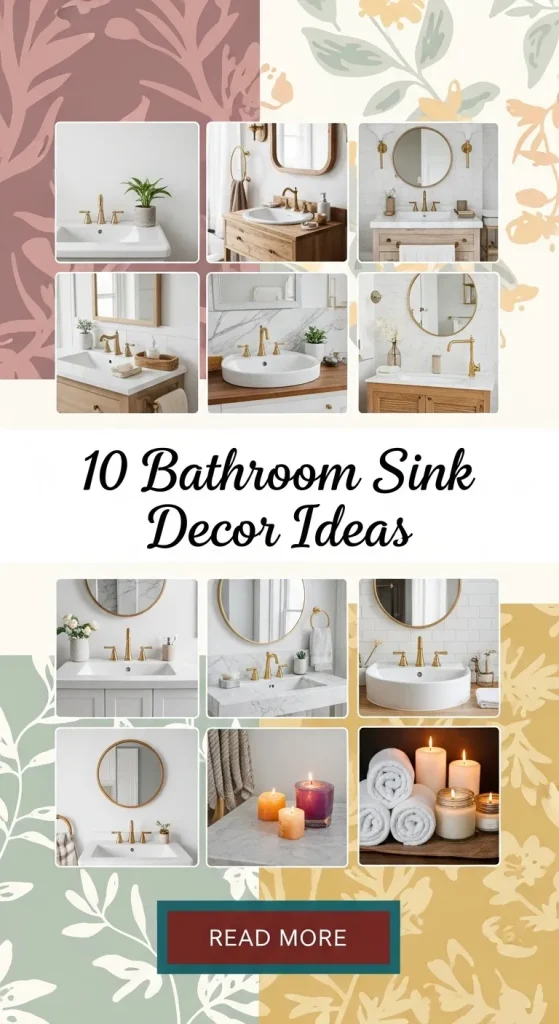
The bathroom sink area is more than a functional space; it serves as a focal point in bathroom design. Properly decorating the sink area can elevate the overall aesthetic, enhance usability, and create a sense of style and personality. From small powder rooms to luxurious master bathrooms, the sink space offers opportunities to incorporate materials, textures, and decorative elements that tie the room together.
This article explores ten bathroom sink decor ideas in detail, emphasizing both style and functionality. Each idea provides guidance on arrangement, materials, accessories, and design strategies to create a visually appealing and practical sink area. These suggestions are adaptable to a wide range of bathroom styles, including modern, minimalist, traditional, rustic, and eclectic designs.
1. Minimalist Vanity with Clean Lines
A minimalist vanity emphasizes simplicity, organization, and sleek design. The focus is on uncluttered surfaces, neutral tones, and streamlined fixtures. Minimalist bathroom sink decor often uses a floating or wall-mounted vanity, which creates a sense of openness and allows for easy cleaning underneath.
To enhance the minimalist aesthetic, accessories should be limited to essentials, such as a soap dispenser, hand towel, and perhaps a small decorative object or plant. Materials such as matte wood, stone, or lacquered surfaces complement the clean lines of the vanity. Frameless mirrors and integrated lighting contribute to the sense of continuity and simplicity.
Minimalist vanities are particularly effective in small bathrooms, as they make the space appear larger while maintaining functionality. The understated design highlights the quality of materials and finishes without overwhelming the room with excess detail.

2. Statement Faucets for Visual Impact
A bold or uniquely designed faucet can transform a simple sink into a centerpiece. Statement faucets come in a variety of finishes, including matte black, brushed gold, polished chrome, and copper, offering opportunities to introduce contrast and personality.
The faucet can serve as the focal point in a neutral or monochromatic bathroom, drawing attention to the sink area. Designs range from tall and sculptural to minimalist single-handle options, depending on the desired aesthetic. Pairing the faucet with a matching soap dispenser or coordinating hardware creates cohesion and a polished look.
Statement faucets are particularly effective in floating sinks or countertop basins, where the faucet stands out against open space. Proper placement and proportion are key to ensuring the faucet enhances rather than overwhelms the overall design.

3. Decorative Mirrors for Style and Function
Mirrors above the sink provide both practical utility and design appeal. Decorative mirrors can dramatically influence the character of the bathroom, adding visual interest and reflecting light to enhance the sense of space.
Framed mirrors in metal, wood, or acrylic offer texture and color contrast against walls and vanity materials. Round or oval mirrors soften linear layouts, while rectangular or geometric shapes emphasize structure. Backlit or integrated LED mirrors introduce ambient lighting, creating a contemporary and luxurious feel.
Mirrors can also incorporate subtle storage behind or beneath the reflective surface, allowing the sink area to remain organized while appearing stylish. The combination of functionality and decor makes mirrors one of the most versatile elements in bathroom sink design.

4. Countertop Accessories for Practical Elegance
Adding well-chosen countertop accessories can enhance the visual appeal and usability of the sink area. These include soap dispensers, toothbrush holders, trays, bowls, and jars. Using coordinated materials or colors creates a cohesive and intentional design.
For example, marble trays or wooden dishes can organize toiletries while complementing natural or neutral color schemes. Metallic accessories, such as gold or brass dispensers, introduce luxury and shine. Ceramic or glass containers provide texture and can hold smaller items like cotton balls, Q-tips, or hand creams.
Limiting the number of accessories ensures the sink remains uncluttered, preserving a sense of calm and cleanliness. Thoughtful selection of materials, textures, and forms enhances the overall aesthetic while maintaining practicality.

5. Plants and Greenery for Natural Appeal
Incorporating plants into the sink area brings life and freshness to the bathroom. Small potted plants, succulents, or even air plants add a natural element that softens the surfaces and materials typically found in bathrooms, such as stone, tile, and metal.
Plants can be placed on the countertop, on floating shelves above the sink, or within built-in niches. Choosing low-maintenance varieties ensures they thrive in humid environments without requiring constant care. Materials like ceramic or stone pots complement natural or modern bathroom designs.
Greenery enhances both aesthetic appeal and the sense of well-being. The visual contrast of green foliage against neutral or monochromatic tiles adds depth, texture, and a refreshing accent that revitalizes the sink area.

6. Ambient and Task Lighting
Proper lighting transforms the bathroom sink area from functional to stylish. Combining ambient lighting with focused task lighting ensures the space is both practical and visually appealing. Wall sconces, pendant lights, or integrated LED strips can be positioned around the mirror or vanity to create layered illumination.
Lighting with adjustable brightness allows homeowners to switch between daily grooming needs and relaxing moods. Warm-toned lights create a cozy and inviting atmosphere, while cooler tones enhance clarity for detailed tasks. Unique light fixtures also act as decorative elements, contributing style and enhancing the overall design.
Lighting not only highlights decorative elements but also accentuates textures and finishes on countertops, faucets, and mirrors. Well-planned lighting elevates the sink area into a visually engaging and functional focal point.

7. Decorative Backsplash for Visual Interest
A carefully chosen backsplash adds style and personality to the bathroom sink area. Tiles, stone slabs, or mosaic panels provide texture, color, and protection for walls from water splashes. Decorative backsplashes create a backdrop that enhances the vanity, faucet, and countertop materials.
Subway tiles, patterned ceramics, or marble slabs are popular options. Textured tiles or three-dimensional patterns introduce depth, while metallic finishes reflect light and add glamour. Matching the backsplash to the countertop or contrasting it creates visual layers that make the sink area more dynamic.
A well-designed backsplash also facilitates cleaning, protecting walls from moisture and staining while serving as a lasting decorative element that complements the overall bathroom design.

8. Integrated Storage for Clutter-Free Surfaces
Incorporating storage solutions into the sink area ensures the space remains functional and visually clean. Integrated drawers, hidden compartments, or shelving under the sink provide space for toiletries, towels, and cleaning supplies.
Floating vanities with concealed storage offer modern aesthetics while keeping everyday items out of sight. Countertop trays or small baskets help organize frequently used items without creating clutter. Vertical shelving units or niches on walls adjacent to the sink maximize storage potential while maintaining accessibility.
Effective storage enhances usability and maintains a sleek appearance, allowing decorative elements and functional fixtures to shine without being overwhelmed by everyday items.

9. Textured or Patterned Countertops
Countertop materials significantly impact the visual character of the sink area. Textured or patterned surfaces introduce depth and interest, making the sink a design feature. Materials such as marble, granite, quartz, concrete, or terrazzo offer patterns, veining, and natural variations that enhance the space.
Patterned countertops can create focal points or complement the overall bathroom color scheme. For example, a countertop with subtle veining adds elegance, while bold patterns or terrazzo designs introduce personality. Matte or honed finishes provide a soft tactile feel, while polished surfaces reflect light and enhance brightness.
Selecting a countertop with visual appeal ensures that the sink area feels intentional and integrated into the overall bathroom design.

10. Art and Decorative Accents
Adding art and decorative accents around the sink area personalizes the bathroom and elevates the design. Small framed prints, sculptures, or decorative objects can be strategically placed to enhance aesthetics without interfering with functionality.
Decorative accents may include ceramic bowls, small vases, scented candles, or stylish soap dishes. Incorporating materials such as wood, metal, or glass introduces variety and texture, complementing countertops, fixtures, and cabinetry. Changing artwork or seasonal accents allows homeowners to refresh the look periodically without major renovations.
Art and decorative elements create a sense of personality and style, transforming a simple sink area into an inviting, curated space that reflects individual taste.

Conclusion
The bathroom sink area is a central feature that combines function, style, and personality. By thoughtfully decorating this space, homeowners can elevate the overall aesthetic and improve usability. From minimalist vanities and statement faucets to decorative mirrors, backsplash, and ambient lighting, there are countless ways to enhance the sink area. Incorporating plants, textured countertops, storage solutions, and art adds depth, warmth, and character. The ten ideas presented above demonstrate how a carefully designed sink area can be both practical and visually engaging, creating a bathroom that is functional, elegant, and personalized. Whether in small powder rooms or luxurious master baths, these strategies transform the sink area into a focal point that balances beauty and utility, ensuring a welcoming and stylish experience for daily routines.