10 Hanging Bird Feeder Ideas

Hanging bird feeders are one of the simplest and most rewarding ways to invite nature into your home, garden, balcony, or outdoor space. Birds bring movement, color, and sound, transforming ordinary surroundings into living, breathing environments. Whether you live in a rural area, suburban neighborhood, or urban apartment, hanging bird feeders allow you to connect with wildlife while supporting local bird populations.
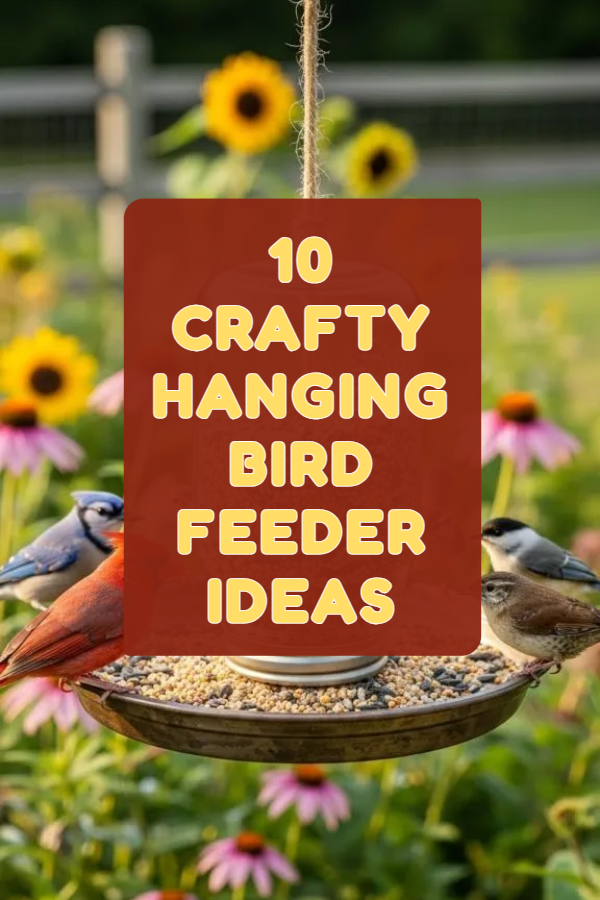
Bird feeders are not just decorative objects; they serve an important ecological purpose. Urbanization and habitat loss have reduced natural food sources for many birds. By providing feeders, especially during colder months or dry seasons, you help birds survive and thrive. Hanging feeders are particularly effective because they keep food off the ground, reduce access for pests, and make birds feel safer while feeding.

Beyond function, hanging bird feeders can be beautiful design elements. They can reflect personal style, creativity, and sustainability values. From rustic DIY feeders to elegant glass designs, hanging feeders can enhance outdoor aesthetics while serving wildlife. Choosing the right feeder style also allows you to attract different bird species, observe their behaviors, and create a peaceful daily ritual of birdwatching.

This guide explores 10 hanging bird feeder ideas, each explained in detail with design concepts, materials, placement tips, and the types of birds they attract. Whether you’re a beginner or an experienced bird lover, these ideas will help you create inviting, practical, and visually pleasing feeding stations that benefit both birds and people.

1. Classic Tube Hanging Bird Feeder

The tube feeder is one of the most popular and effective hanging bird feeder designs. Its simple vertical shape makes it ideal for hanging from tree branches, hooks, or balcony rails.

Tube feeders are typically made of clear plastic or acrylic with small feeding ports along the sides. The transparency allows you to easily monitor seed levels, ensuring birds never run out of food unexpectedly. Metal perches beneath each port provide stable footing for small to medium-sized birds.

This type of feeder works well for seeds such as sunflower seeds, mixed birdseed, or nyjer. Birds like finches, chickadees, sparrows, and titmice are commonly attracted to tube feeders.

The slim design helps keep seeds dry and reduces waste. Because it hangs freely, it also discourages larger animals like squirrels from accessing the food, especially when combined with a baffle. Tube feeders are an excellent choice for beginners due to their ease of use and maintenance.


2. Mason Jar Hanging Bird Feeder

Mason jar feeders are a charming blend of rustic style and practical feeding. They are especially popular for DIY enthusiasts and farmhouse-style gardens.

A mason jar feeder usually involves an inverted glass jar attached to a tray or feeding base. Seeds slowly dispense as birds eat, maintaining a steady supply. The jar can be hung using wire, rope, or a metal holder, making it easy to place on trees, pergolas, or hooks.

Glass jars protect seeds from rain while allowing visibility. This feeder style works well for sunflower seeds and mixed blends. Birds such as cardinals, finches, and sparrows enjoy feeding from the open tray.

Mason jar feeders add a decorative touch while promoting reuse and sustainability. They are easy to clean and refill, making them both functional and visually appealing.


3. Coconut Shell Hanging Bird Feeder

Coconut shell feeders are a natural, eco-friendly option that blends beautifully into outdoor environments.

Made from halved coconut shells, these feeders can be filled with seeds, fruit, or suet. Holes are drilled into the shell to attach rope or twine for hanging. The rough texture provides good grip for birds.

This feeder style is ideal for attracting birds that enjoy fruit and soft foods, such as woodpeckers, robins, and parrots in certain regions. It is especially popular in tropical or warm climates but works well anywhere.

Coconut shell feeders are biodegradable, sustainable, and inexpensive. They bring a natural aesthetic and are perfect for gardeners who prefer organic, earth-friendly solutions.


4. Hanging Platform Bird Feeder

Platform feeders provide an open feeding surface, making them accessible to a wide variety of birds. When hung instead of placed on the ground, they offer added safety and cleanliness.

A hanging platform feeder typically consists of a flat tray with drainage holes, suspended by chains or ropes. It can hold seeds, nuts, fruit, or mealworms. Because of the open design, birds of various sizes can feed comfortably.

This feeder attracts a diverse range of birds, including cardinals, blue jays, doves, and finches. Hanging the platform reduces ground feeding risks while maintaining accessibility.

While platform feeders may require more frequent cleaning, their versatility and ability to attract multiple species make them a favorite among birdwatchers.


5. Hanging Suet Feeder

Suet feeders are especially valuable during colder months, providing birds with high-energy nutrition.

A hanging suet feeder usually consists of a wire cage that holds a block of suet. It can be hung from tree branches or hooks at various heights. The cage design allows birds to cling while feeding.

Suet feeders attract woodpeckers, nuthatches, chickadees, and starlings. They are particularly important in winter when birds need extra fat to maintain body heat.

This feeder is simple, effective, and easy to maintain. It plays a critical role in supporting birds during harsh weather conditions.


6. Teacup or Vintage Hanging Bird Feeder

Teacup feeders are a creative and decorative way to feed birds while adding charm to your garden or balcony.

This design uses a teacup glued to a saucer, suspended with wire or chain. Seeds are placed in the cup or saucer, creating a shallow feeding area. Vintage or mismatched teacups enhance the whimsical appeal.

Teacup feeders attract small birds like sparrows and finches. They are best placed in sheltered areas to protect seeds from rain.

While more decorative than practical, teacup feeders combine art and nature, making them ideal for small spaces or aesthetic-focused gardens.


7. Hanging Recycled Bottle Bird Feeder

Recycled bottle feeders are an excellent eco-friendly option that repurposes household waste.

Plastic bottles are transformed into feeders by cutting small openings and adding perches. The bottle is filled with seed and hung vertically. As birds feed, seeds naturally dispense.

This feeder style is affordable, customizable, and suitable for kids’ projects. It attracts common backyard birds such as sparrows, finches, and chickadees.

Recycled bottle feeders promote sustainability and creativity while providing a functional feeding solution.


8. Hanging Fruit Feeder for Birds

Fruit feeders are ideal for birds that prefer fresh produce over seeds.

A hanging fruit feeder can be as simple as a mesh bag or skewer suspended from a branch. Apples, oranges, berries, or bananas can be attached. This feeder is particularly attractive to orioles, tanagers, parrots, and fruit-loving birds.

Fruit feeders add variety to birds’ diets and encourage species diversity. They are especially useful during warmer months when fruit is abundant.

Regular replacement is necessary to prevent spoilage, but the rewards of attracting colorful birds make it worthwhile.


9. Hanging Hopper Bird Feeder

Hopper feeders combine capacity with protection, making them ideal for longer intervals between refills.

This feeder has a container that releases seeds into a feeding tray as birds eat. When hung, it stays elevated and dry. The roofed design protects food from rain and snow.

Hopper feeders attract a wide range of birds, including cardinals, finches, jays, and sparrows. They are well-suited for gardens with frequent bird activity.

This feeder is practical for bird lovers who want low-maintenance solutions without sacrificing variety.


10. Hanging Decorative Glass Bird Feeder

Decorative glass feeders combine beauty and function, acting as both feeder and garden art.

These feeders often feature colored or textured glass with feeding ports. They hang elegantly from hooks or branches, catching sunlight and adding visual interest.

Glass feeders attract small birds such as finches and chickadees. While more delicate, they are easy to clean and visually striking.

This option is perfect for those who want feeders to double as decorative elements in outdoor spaces.


Conclusion

Hanging bird feeders are a meaningful way to connect with nature while supporting local bird populations. They offer ecological benefits, personal enjoyment, and aesthetic enhancement to outdoor spaces. From classic tube feeders and rustic mason jars to eco-friendly coconut shells and artistic teacup designs, hanging feeders come in endless styles to suit every environment and preference.

The 10 hanging bird feeder ideas explored in this guide demonstrate that feeding birds can be both practical and creative. Each feeder style attracts different species, supports various feeding habits, and adds unique character to your space. By choosing thoughtfully and placing feeders responsibly, you create a safe and welcoming environment for birds year-round.

In a fast-paced world, hanging bird feeders invite moments of stillness—watching birds feed, listening to their songs, and reconnecting with nature right outside your window.

Comments

No comments yet. Why don’t you start the discussion?

Leave a Reply

Your email address will not be published. Required fields are marked *