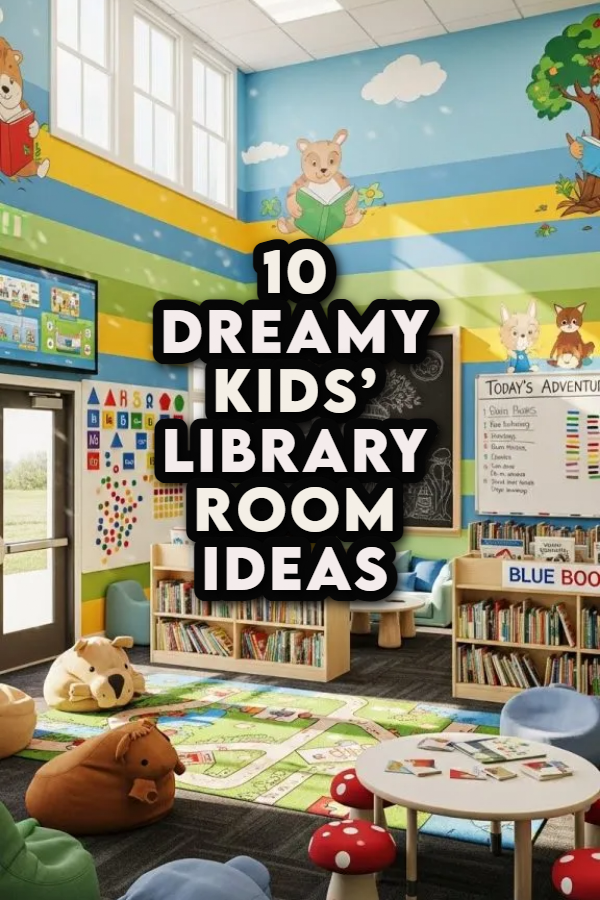
In today’s fast-paced, screen-dominated world, creating a dedicated library room for children is more important than ever. A kids’ library room is not simply a storage space for books—it is a carefully designed environment that encourages imagination, learning, focus, and emotional growth. When children have access to a space that is built specifically for reading and exploration, they are more likely to develop positive reading habits that last a lifetime.
A well-designed library room helps children associate books with comfort, curiosity, and enjoyment rather than pressure or obligation. It supports early literacy, builds vocabulary, improves concentration, and fosters creativity. Beyond academic benefits, reading spaces also provide emotional comfort, offering children a quiet retreat where they can relax, reflect, and feel safe.
Whether the library room is located in a home, school, daycare, or community center, its design should always reflect the needs of children. Furniture should be child-sized, books should be easily accessible, and the overall atmosphere should feel inviting rather than formal. Colors, lighting, textures, and layout all play an important role in shaping how children interact with the space.
This article presents 10 kids’ library room ideas that balance creativity, practicality, and learning. These ideas are adaptable to different budgets, room sizes, and age groups. Each concept focuses on making reading enjoyable while supporting children’s independence and curiosity.
1. Cozy Reading Nook Library
A cozy reading nook library is one of the most effective ways to encourage children to read. Kids naturally enjoy small, comfortable spaces that feel personal and safe. A reading nook can be created in a corner of a room, under a staircase, or beside a window.
Soft seating such as floor cushions, bean bags, poufs, or a small sofa makes the area inviting. Adding a rug helps define the space while providing warmth and comfort. Lighting should be soft and warm, using floor lamps or wall-mounted lights that are safe for children.
Low bookshelves placed nearby allow children to independently choose their books. This setup is ideal for quiet reading time and helps children associate books with relaxation and comfort.

2. Colorful and Interactive Library Room
A colorful and interactive library room captures children’s attention and keeps them engaged. Bright but balanced colors stimulate curiosity and energy without overwhelming the senses. Using different colors to separate areas of the room can help children understand how the space is organized.
Interactive features such as chalkboard walls, whiteboards, magnetic letters, or activity panels add an educational element to the room. Children can draw, write words, or participate in storytelling games alongside reading.
Bookshelves can be color-coded by category or reading level, making it easier for kids to find books that interest them. This type of library room is especially effective in schools and public libraries where engagement is essential.

3. Nature-Inspired Kids’ Library
A nature-inspired library room creates a calm and soothing environment that helps children focus. Using natural colors such as green, brown, beige, and soft blue can reduce stress and overstimulation.
Wooden shelves, natural fabrics, and simple décor elements bring an organic feel to the space. Adding plants or nature-themed decorations such as leaves, animals, or tree patterns reinforces the theme.
Natural light is an important feature in this type of library room. Positioning reading areas near windows helps children feel connected to the outdoors while reading. This design is ideal for children who benefit from quiet, peaceful surroundings.

4. Montessori-Style Library Room
A Montessori-style library room emphasizes independence, order, and simplicity. Everything in the space is designed to be accessible to children without adult assistance.
Books are displayed on low, open shelves with covers facing outward. This allows children to easily see their options and make independent choices. Furniture is child-sized and minimal, reducing clutter and distractions.
Only a limited number of books are displayed at a time, with regular rotation to maintain interest. This approach encourages focus and respect for materials while fostering a calm reading environment.

5. Themed Storybook Library
A themed storybook library transforms reading into an immersive experience. Themes can be based on popular interests such as fairytales, space, animals, pirates, or fantasy worlds.
Decorations, furniture, and shelving are designed to match the theme, making children feel like they have stepped into a story. For example, a fairytale theme might include castle-inspired shelves, while a space theme could feature stars and planets.
Themed libraries spark imagination and make reading feel like an adventure. Rotating themes throughout the year keeps the space exciting and fresh.

6. Small-Space Kids’ Library
A kids’ library does not require a large room. Even small spaces can become effective reading areas with thoughtful planning.
Vertical shelving makes use of wall space, while floating shelves keep the floor area open. Multifunctional furniture, such as storage benches or ottomans, helps maximize space while keeping books organized.
Light colors and minimal décor make small areas feel larger and more open. This type of library is ideal for apartments, bedrooms, or shared family spaces.

7. Technology-Enhanced Library Room
A technology-enhanced library room blends traditional reading with digital learning tools. This design is particularly suitable for older children who are comfortable using technology.
E-readers, tablets, or audiobooks can be included alongside physical books. Digital storytelling apps and educational reading programs can help engage reluctant readers.
To maintain balance, technology should be used intentionally. Separate zones for screen-based reading and traditional books help children understand that technology supports reading rather than replaces it.

8. Multicultural and Inclusive Library
A multicultural and inclusive library room exposes children to diverse cultures, perspectives, and experiences. This type of library promotes empathy, understanding, and respect for differences.
Books should represent a wide range of cultures, languages, abilities, and family structures. Multilingual books and labels encourage language development and cultural awareness.
Furniture and layout should be accessible to children with different physical and sensory needs. Quiet areas can support children who require a calmer environment.

9. Creative Reading and Writing Library
A creative reading and writing library encourages children to become storytellers themselves. This space combines reading with writing, drawing, and imaginative play.
A small writing table with notebooks, pencils, and art supplies allows children to create their own stories. Story prompts and word games can help spark ideas.
Displaying children’s written work builds confidence and reinforces the idea that their creativity is valued. This type of library supports literacy development and self-expression.

10. Flexible and Multi-Purpose Library Room
A flexible library room is designed to adapt to multiple activities such as reading, group discussions, storytelling sessions, and workshops.
Movable furniture, modular shelving, and stackable seating make it easy to reconfigure the space. Clear storage areas keep materials organized and accessible.
This design is ideal for schools, community centers, and shared spaces where the library must serve different purposes while remaining welcoming to children.

Conclusion
Creating a kids’ library room is an investment in a child’s intellectual, emotional, and creative development. A thoughtfully designed library space encourages children to read by choice, explore new ideas, and develop a lifelong love for books.
Whether the library room is large or small, themed or simple, the most important factor is that it feels inviting and accessible to children. By focusing on comfort, creativity, and usability, you can create a library room that inspires curiosity and nurtures young readers for years to come.