

Small spaces present unique challenges in terms of organization, functionality, and design. Living in a compact apartment, studio, or tiny bedroom often means that every inch counts. Without a strategic approach, clutter can accumulate quickly, leaving rooms feeling cramped, chaotic, and less enjoyable to live in. However, with thoughtful planning, clever storage solutions, and multifunctional furniture, even the smallest spaces can be organized, stylish, and highly functional.
The key to small space organization is maximizing vertical and hidden storage, minimizing clutter, and creating multi-use zones. Small spaces require creativity: a single wall can become a storage hub, a staircase can double as a bookshelf, and furniture can serve multiple purposes. Organizing a small space not only improves functionality but also enhances the overall aesthetic, making it feel more spacious, calm, and welcoming.
This article explores 10 organizing ideas for small spaces, offering practical tips, strategies, and inspirations that can be applied to apartments, bedrooms, kitchens, bathrooms, and other compact areas. Each idea emphasizes efficiency without compromising style, allowing small spaces to feel open, organized, and personalized.
1. Vertical Storage Solutions
Vertical storage is essential in small spaces because it allows you to use height instead of just floor area. Tall shelving units, wall-mounted racks, and stacked storage cubes maximize space without crowding the room.
Tips and Strategies:
- Install floating shelves to keep floors free and display decorative items, books, or storage baskets.
- Use wall-mounted cabinets in kitchens, bathrooms, or bedrooms to store essentials out of reach.
- Consider tall wardrobes or narrow shelving units to make use of wall height.
Vertical storage not only frees floor space but also draws the eye upward, creating the illusion of a larger room.

2. Multi-Functional Furniture
In small spaces, furniture that serves more than one purpose is invaluable. Multi-functional pieces combine storage, seating, and surface areas to maximize utility.
Ideas Include:
- Beds with built-in drawers or lift-up storage compartments.
- Sofas or ottomans with hidden storage for blankets, toys, or books.
- Fold-out desks or tables that double as workstations or dining surfaces.
This approach reduces the need for additional furniture, keeping the space uncluttered while providing ample storage and functionality.

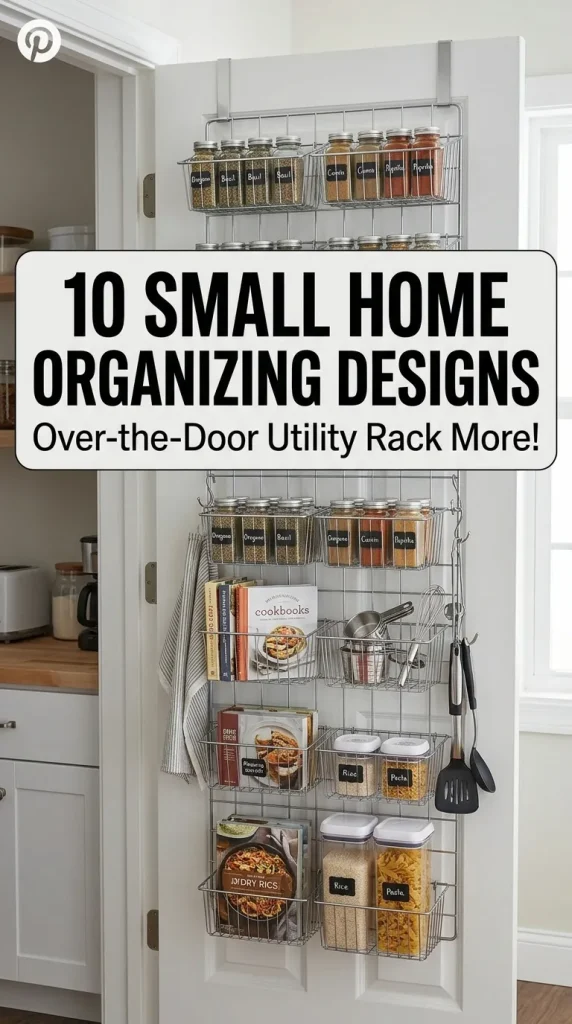
3. Over-the-Door Organizers
Doors are often overlooked as storage opportunities, yet over-the-door organizers can hold a surprising amount of items without taking up additional space.
Applications:
- Hang shoe organizers in closets or entryways.
- Use hooks or racks for coats, bags, or towels.
- In the kitchen, over-the-cabinet-door racks can store spices, cutting boards, or cleaning supplies.
Over-the-door organizers are inexpensive, easy to install, and highly practical for small apartments, dorms, or bathrooms.

4. Under-Bed Storage Solutions
The area beneath the bed is often wasted space in small bedrooms. Under-bed storage keeps items out of sight while remaining easily accessible.
Ideas:
- Rolling storage bins for clothes, shoes, or toys.
- Vacuum-sealed bags for seasonal clothing or linens.
- Low-profile drawers or built-in storage units designed for beds.
Under-bed storage is particularly effective for compact bedrooms or shared rooms, helping maintain a tidy, clutter-free environment.

5. Wall Hooks and Pegboards
Wall hooks and pegboards transform vertical walls into functional storage zones. They are ideal for organizing items that are frequently used while keeping surfaces clear.
Tips:
- Use hooks in entryways for keys, bags, and jackets.
- Install a pegboard in the kitchen for utensils, pots, or small gadgets.
- In offices or craft rooms, pegboards hold tools, supplies, or office materials.
Hooks and pegboards keep items visible and accessible, reducing the need for bulky cabinets or drawers.

6. Modular Storage Cubes and Bins
Modular storage cubes and bins are flexible solutions for small spaces. They can be stacked, rearranged, and customized to fit rooms of any size.
Ideas:
- Use cubes to separate books, toys, or office supplies.
- Combine closed bins for hidden storage and open cubes for display.
- Label bins to maintain organization and make items easy to find.
Modular storage systems grow with your needs, allowing for long-term adaptability in small apartments or compact bedrooms.

7. Furniture With Built-In Storage
Beyond multi-functional furniture, items with built-in storage combine convenience with design. These solutions minimize the need for extra furniture while providing hidden storage.
Examples:
- Nightstands with drawers or shelves.
- Coffee tables with lift-up tops.
- Benches with storage compartments in entryways or bedrooms.
Built-in storage furniture maintains a clean aesthetic while maximizing efficiency in limited square footage.

8. Closet Organization Systems
Closets can be small but highly functional if organized effectively. Customizable closet systems optimize every inch of available space.
Tips:
- Use hanging organizers for shoes, clothes, and accessories.
- Incorporate double rods to maximize hanging space.
- Add shelves or cubbies for folded items, bags, or seasonal clothing.
Closet organization systems allow small bedrooms or apartments to store more items neatly and efficiently.

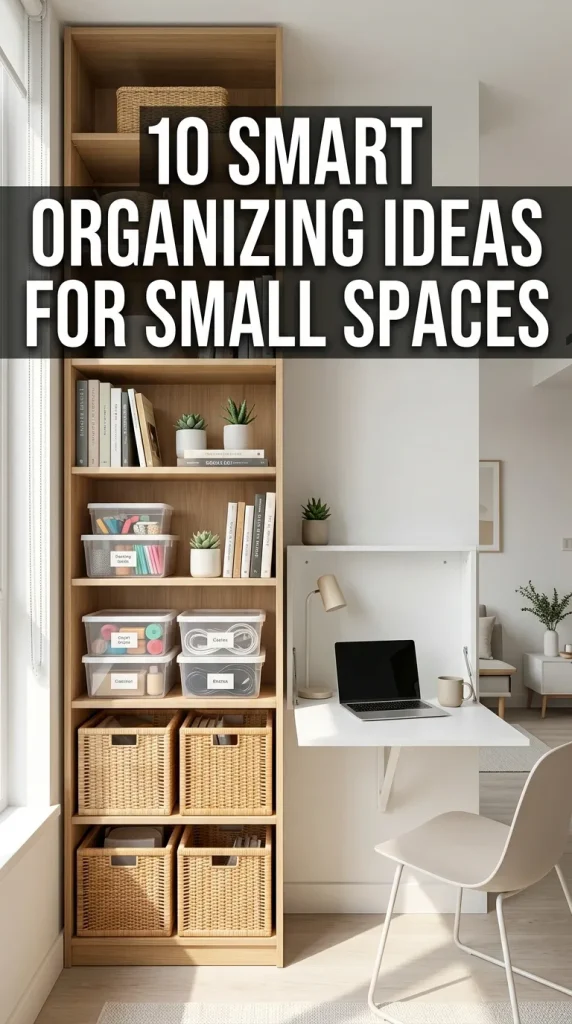
9. Floating Desks and Foldable Workstations
In small spaces, workstations often compete for floor space. Floating desks and foldable tables provide functional surfaces without permanent occupation of the room.
Ideas:
- Wall-mounted fold-down desks for work or study.
- Murphy desks or tables that fold into storage units.
- Compact desks with integrated shelving or drawers.
These solutions are perfect for small apartments or shared rooms, offering functionality without sacrificing space.

10. Smart Use of Corners and Nooks
Corners and awkward nooks are often wasted in small spaces. Smart corner storage and furniture placement can create surprising efficiency.
Strategies:
- Corner shelves for books, plants, or décor.
- L-shaped desks or seating that fit snugly in corners.
- Corner storage units for laundry, shoes, or other essentials.
Utilizing corners effectively ensures no space goes unused while keeping the room organized and visually balanced.

Conclusion
Organizing small spaces requires creativity, planning, and the strategic use of every available inch. From vertical storage and under-bed solutions to modular systems and multi-functional furniture, each approach maximizes efficiency while maintaining a clean and inviting environment.
These 10 organizing ideas for small spaces demonstrate that size doesn’t limit style or functionality. Clever storage solutions, thoughtful layouts, and practical organization can make even the smallest apartment, bedroom, or studio feel spacious, comfortable, and highly livable. By combining innovative storage techniques with aesthetically pleasing design, small spaces can be transformed into clutter-free, functional, and visually appealing homes that enhance daily living and personal well-being.