
10 Decoration Bedroom Ideas
The bedroom is the most private room in a home, yet it is often the least thoughtfully considered. Unlike living rooms or kitchens, which are shaped for guests and activity, the bedroom exists primarily for restoration. It is where the body rests, the mind unwinds, and the self exists without performance. Because of this, bedroom decoration carries emotional weight that goes far beyond aesthetics.
Historically, bedrooms were not designed to impress. They were designed to protect — from cold, from noise, from intrusion. Over time, as homes became more comfortable, bedrooms evolved into spaces of retreat and reflection. Decoration followed function. Fabrics softened sound. Colors calmed the eye. Objects held personal meaning rather than public value.
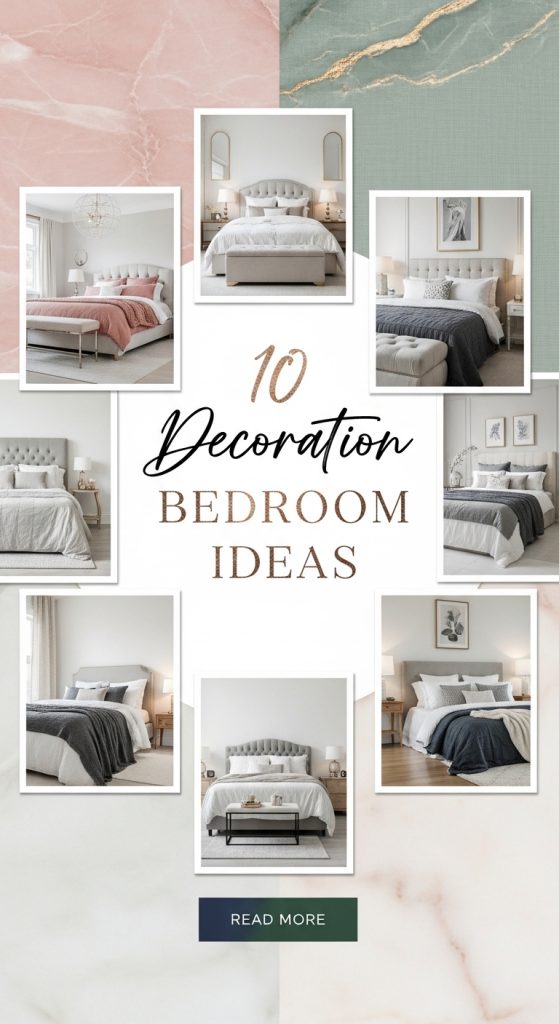
In contemporary culture, bedroom décor is often reduced to visual trends: statement headboards, accent walls, decorative pillows. While these elements can be beautiful, they rarely address the deeper purpose of the room. A well-decorated bedroom does not announce itself; it supports you quietly. It makes waking gentler and sleep deeper.
This essay explores ten bedroom decoration ideas rooted in atmosphere rather than fashion. Each approach offers a different way of shaping the bedroom as a space for rest, intimacy, and emotional continuity — not just something to be photographed, but something to be lived in.
1. Layered Textiles for Comfort and Depth
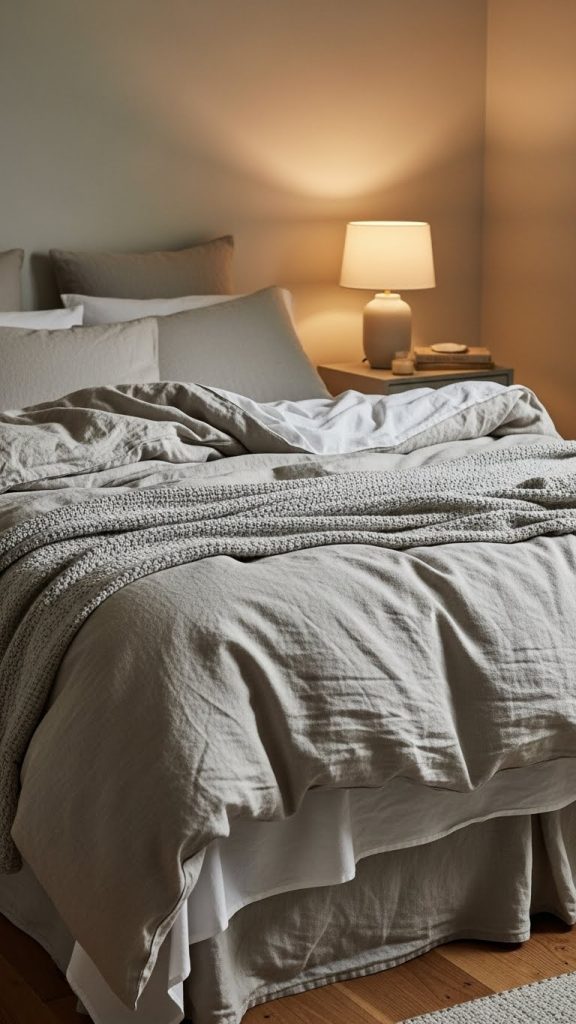
One of the most effective ways to transform a bedroom is through layered textiles. Fabric shapes how a room feels acoustically, visually, and physically. A bedroom with thoughtful textile layering feels immediately softer and more welcoming.
This begins with the bed itself: sheets that feel good against the skin, a duvet or comforter with natural weight, and a coverlet or throw that adds texture without clutter. Layers allow adjustment — warmth can be added or removed depending on the season or mood.
Beyond the bed, textiles appear in rugs, curtains, upholstered furniture, and cushions. A rug beneath the bed absorbs sound and anchors the space. Curtains soften light and create privacy. Even a single upholstered chair can change how the room feels.
Layering textiles creates depth without visual noise. It encourages the body to relax by surrounding it with softness.
2. A Calm, Cohesive Color Palette
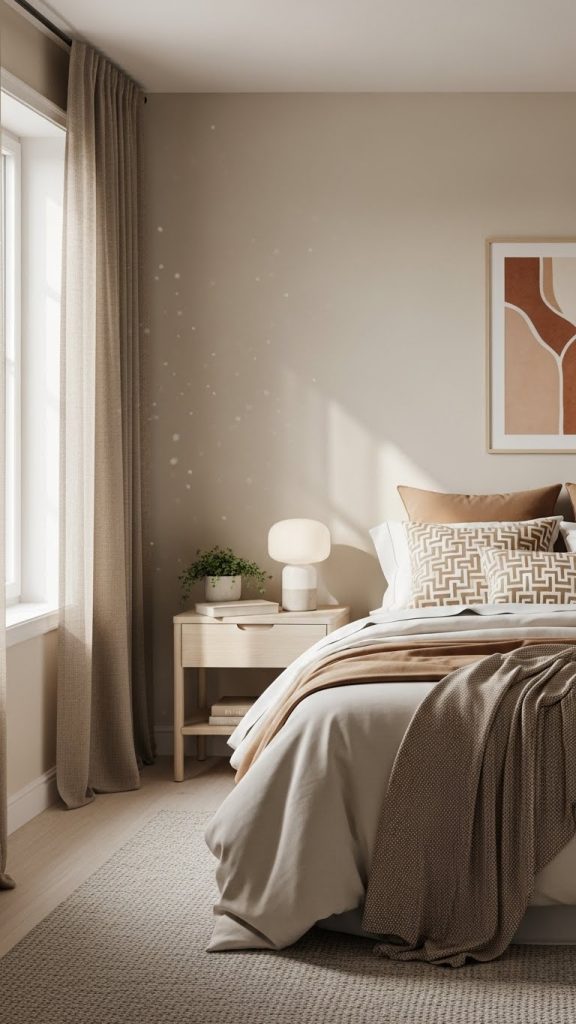
Color is one of the most powerful tools in bedroom decoration, yet it is often misused. Bedrooms benefit from cohesion rather than contrast. A calm palette allows the eye to rest, which supports the mind in doing the same.
Neutral tones — soft whites, warm beiges, muted grays — create a foundation that feels timeless. Gentle color accents can then be introduced through bedding, art, or accessories. These accents should feel related, not competing.
This does not mean a bedroom must be colorless. Deep blues, earthy greens, muted terracotta, or dusty rose tones can be deeply soothing when used consistently. The key is harmony.
A cohesive palette allows the room to feel intentional and settled rather than restless.
3. Lighting Designed for Rest, Not Visibility
Bedroom lighting should support the rhythms of rest rather than functionality alone. Bright overhead lighting may be practical, but it rarely contributes to a calming atmosphere.
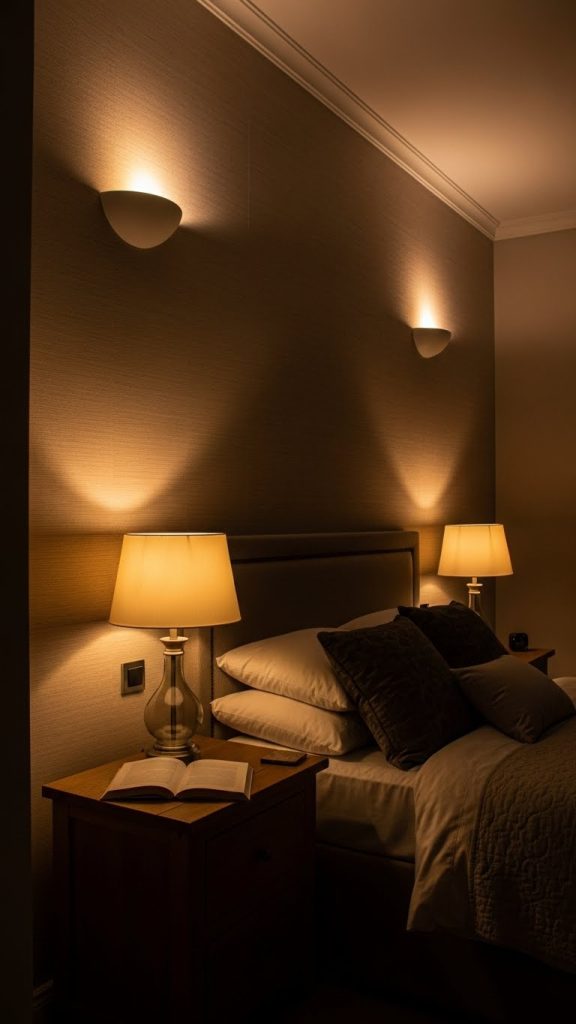
A well-decorated bedroom uses layered lighting. Soft bedside lamps create intimacy. Wall sconces free up space and reduce glare. Floor lamps add ambient light without dominance.
Warm light temperatures are essential. Cool white light signals alertness, while warmer tones encourage relaxation. Dimmers allow adjustment throughout the day and evening.
Lighting should never overwhelm the room. Instead, it should fade into the background, shaping mood without drawing attention to itself.
4. Meaningful Wall Art Over Decoration for Decoration’s Sake
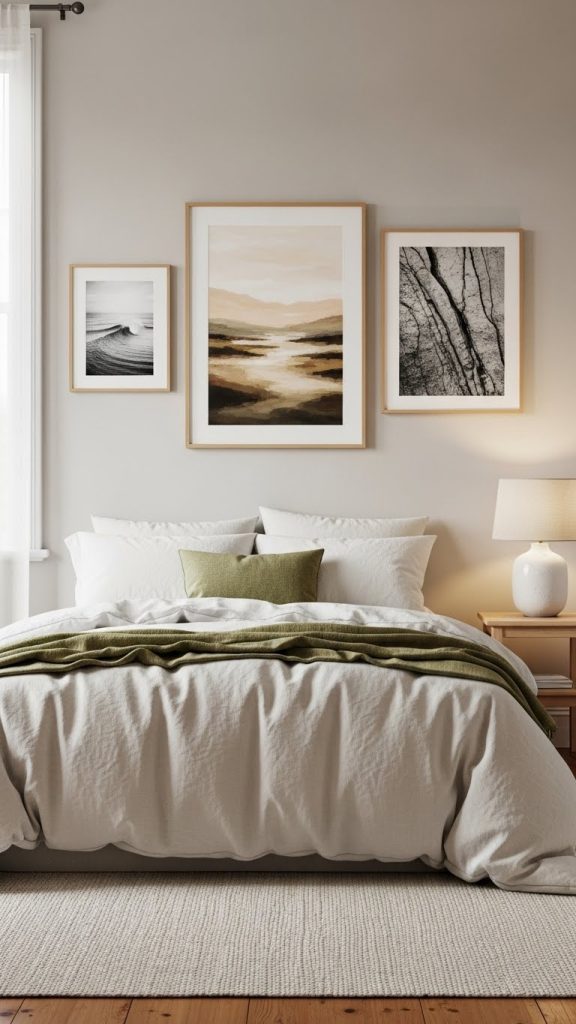
Walls in a bedroom should hold meaning, not filler. Art does not need to be expensive or dramatic, but it should feel intentional.
Personal photographs, calm abstract pieces, landscapes, or simple drawings can all work when chosen thoughtfully. The scale should suit the room — oversized art can feel intrusive, while pieces that are too small can feel lost.
Placement matters. Art hung too high or crowded together disrupts visual flow. In a bedroom, space is as important as content.
Meaningful wall art grounds the room emotionally, making it feel personal rather than staged.
5. Furniture That Prioritizes Flow and Ease
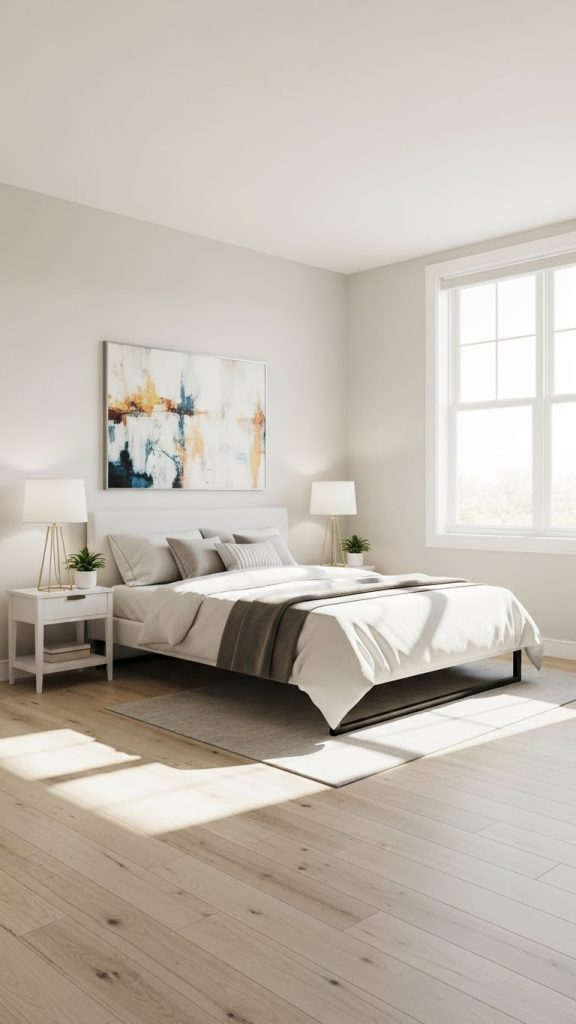
Bedroom furniture should serve movement as much as storage. A cluttered layout interrupts rest before the body even reaches the bed.
Each piece should earn its place. Bedside tables should be proportionate to the bed. Dressers should not block natural pathways. Chairs, if included, should invite sitting rather than collect clothing.
Negative space matters. Leaving areas of the room open allows the mind to breathe. Not every wall needs to be filled.
Furniture arrangement should feel intuitive — the body should move easily without conscious navigation.
6. Natural Materials for Grounding
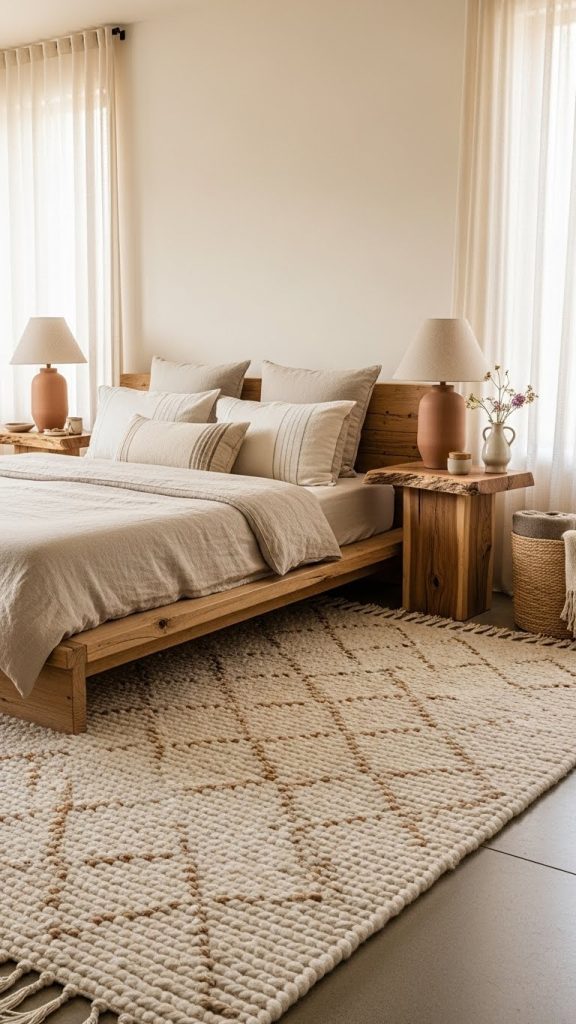
Bedrooms benefit greatly from natural materials. Wood, linen, wool, cotton, stone, and ceramic introduce texture and grounding energy.
These materials age gracefully and connect the room to the physical world. A wooden bed frame, linen curtains, or a ceramic lamp base adds warmth that synthetic materials often lack.
Natural materials also regulate sensory input. They absorb light differently, soften sound, and feel better to the touch.
In a bedroom, where the senses are most vulnerable, grounding materials create stability and calm.
7. Minimalism With Warmth, Not Emptiness
Minimalism in the bedroom does not mean emptiness. It means clarity. A minimalist bedroom removes visual noise while preserving comfort and personality.
This approach limits decorative objects to those with function or meaning. Surfaces remain mostly clear. Storage is discreet.
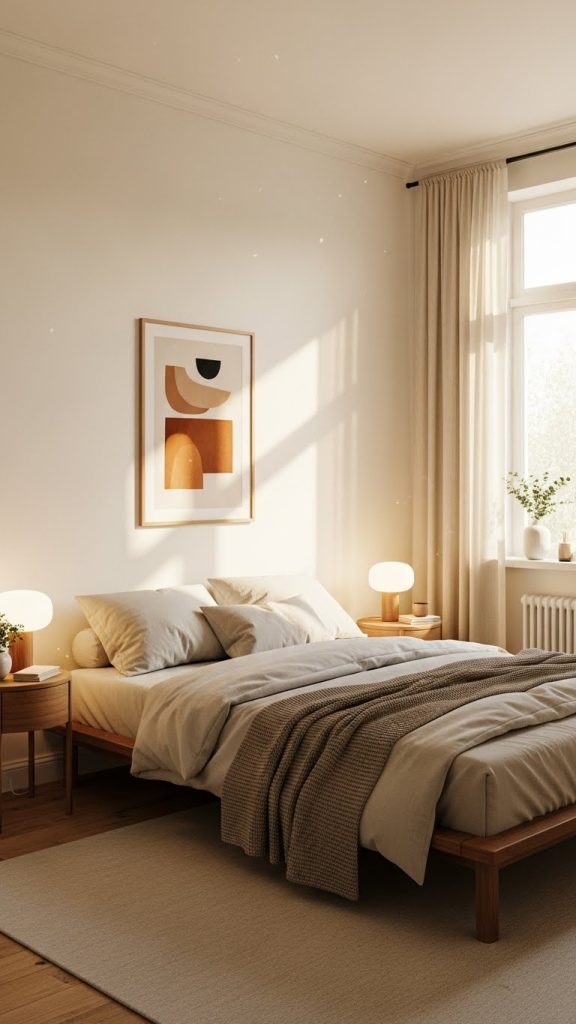
Warmth is maintained through texture, light, and proportion. A minimalist bedroom should feel peaceful, not sterile.
The goal is not absence, but intention — each element chosen because it belongs.
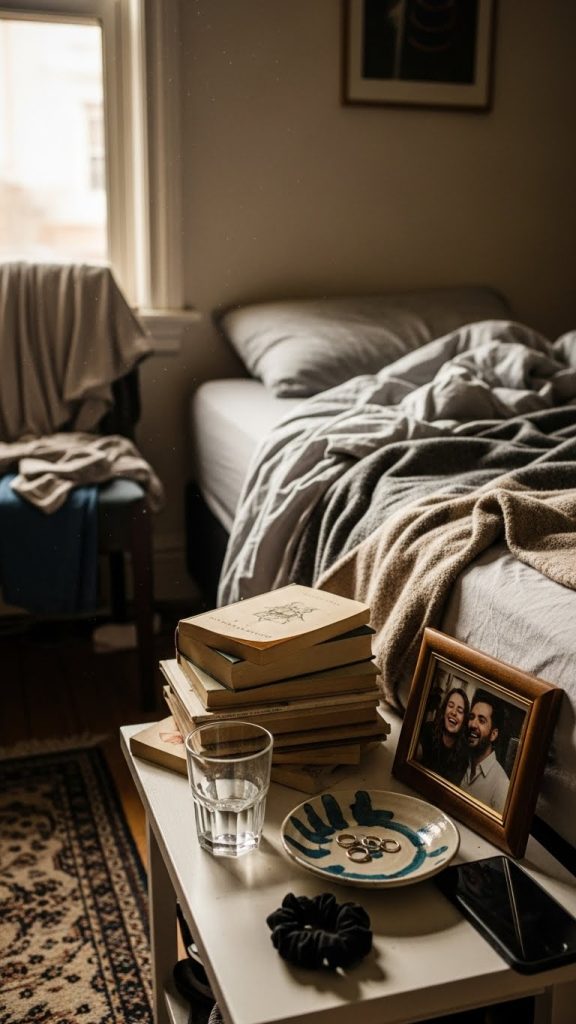
8. Personal Objects That Tell a Quiet Story
Bedrooms are ideal places for personal objects that would feel out of place elsewhere in the home. A book you love, a small sculpture, a keepsake, or a handwritten note can live comfortably here.
These items should be few and carefully placed. When scattered thoughtlessly, they become clutter. When curated gently, they add emotional depth.
Personal objects remind you that the room belongs to you — not to a trend or an audience.
9. Window Treatments That Shape Light and Privacy
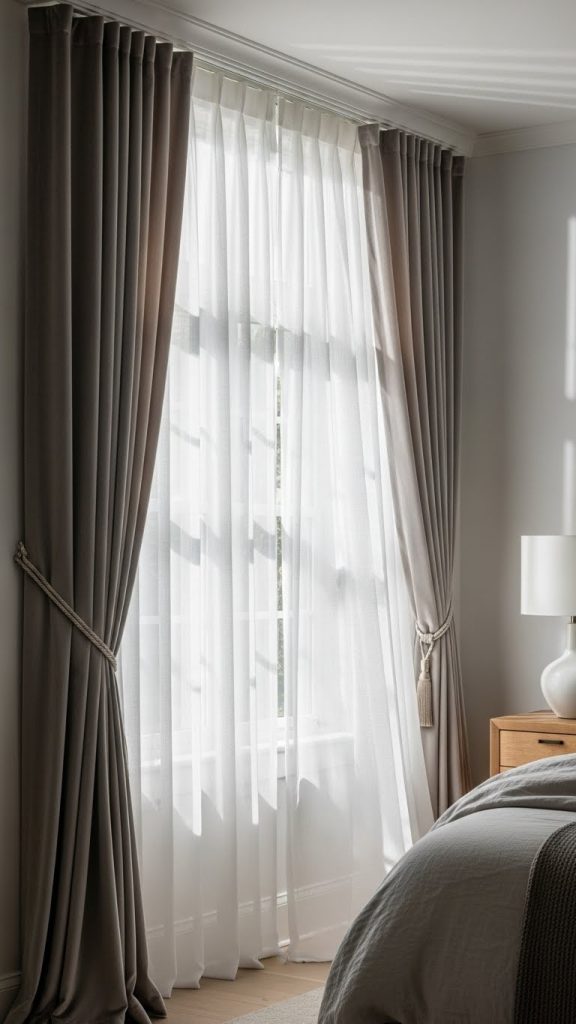
Windows are the bedroom’s connection to the outside world. How they are dressed affects sleep quality, mood, and privacy.
Sheer curtains filter light softly during the day. Heavier drapes or blackout curtains support rest at night. Layering allows flexibility.
Curtains should hang generously and reach the floor. This elongates the room and adds elegance without effort.
Window treatments should feel protective, not restrictive — a boundary that supports rest.
10. A Bedroom That Reflects Your Pace of Life
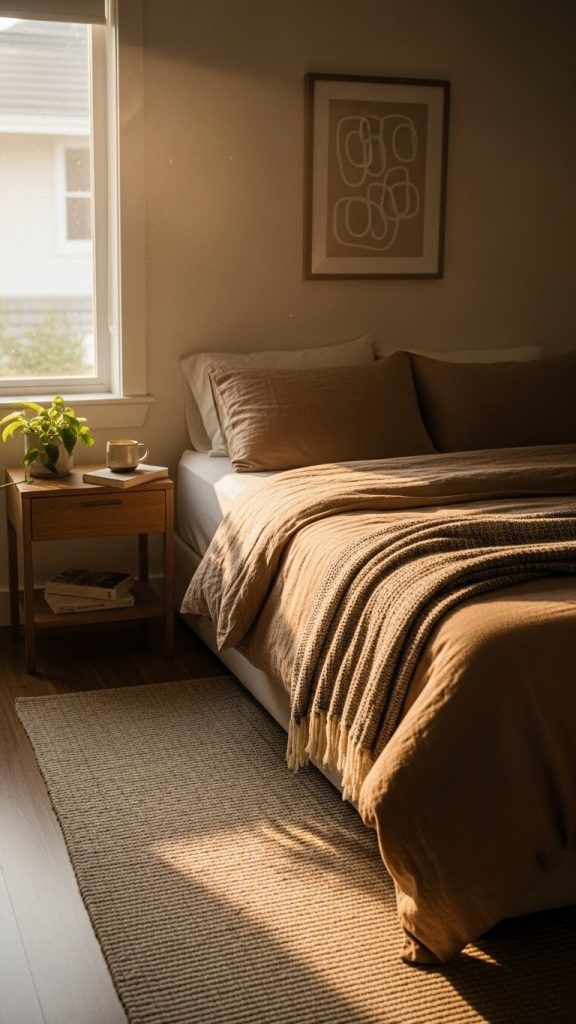
The most important bedroom decoration idea is alignment. A bedroom should reflect how you live, not how others expect you to live.
If your evenings are quiet, the room should support stillness. If mornings are slow, the space should welcome light gradually. If reading is part of your routine, a comfortable chair and lamp matter more than decorative accents.
A bedroom succeeds when it supports your rhythm. It should feel like a continuation of you, not a performance.
Conclusion: The Bedroom as a Daily Sanctuary
A well-decorated bedroom does not impress visitors — it supports its occupant. It does not chase trends — it builds continuity. It does not shout beauty — it offers calm.
The best bedroom decoration ideas are not about adding more, but about choosing better. Better light. Better texture. Better flow. Better alignment with how you rest, wake, and exist.
When decoration serves rest, the bedroom becomes more than a room. It becomes a sanctuary — quiet, personal, and deeply necessary.